Are Magnetic Dog Harnesses Safe? A Fit and Buying Guide
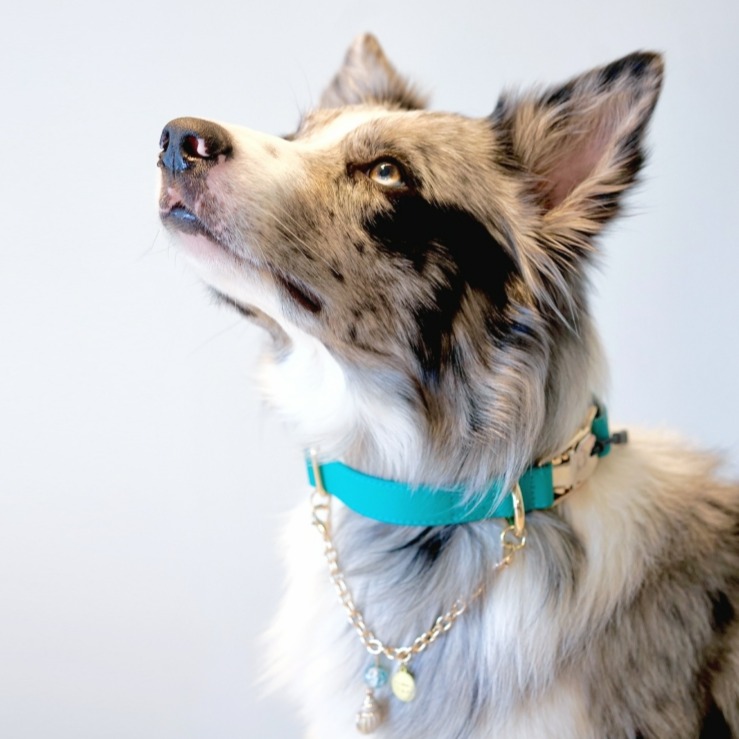
A magnetic dog harness can make getting ready for a walk faster, especially when a dog is excited or does not enjoy standing still for buckles. But convenience should never replace security. The safest choice is a harness that combines quick magnetic alignment with a mechanical locking system, offers enough adjustment for a close fit, and uses hardware designed for regular leash tension.
Short answer: A well-designed magnetic dog harness can be safe for everyday walks when the magnet helps align the buckle, a mechanical lock carries the load, the harness fits correctly, and the hardware is inspected regularly.
What Is a Magnetic Dog Harness?
A magnetic dog harness uses magnets to guide two parts of a buckle into position. On a properly designed walking harness, the magnet should not be the only feature keeping the buckle closed. A mechanical latch, locking geometry, or secondary release system should secure the connection after the two sides meet.
This distinction matters. Magnetic attraction makes fastening easier; the locking mechanism is what should resist movement and leash tension. Before buying, look beyond the word “magnetic” and check how the buckle actually locks.
Are Magnetic Dog Harnesses Secure?
Security depends on the entire harness, not one component. A premium material or stylish buckle cannot compensate for poor fit, weak stitching, or an attachment point that is not suited to your dog’s walking habits.
Five things to check before choosing one
A true lock after closure. The buckle should click, latch, or otherwise confirm that it is mechanically secured.
Adjustability. The neck and chest sections should sit close enough to prevent backing out without restricting normal movement.
Reinforced leash attachment. Inspect the D-ring, webbing, stitching, and the layers that connect the attachment point to the body of the harness.
Comfort at contact points. Edges should not dig into the shoulders, chest, or underarm area during walking.
Clear sizing and care guidance. A secure harness still needs the correct size, regular cleaning, and routine inspection.
How Should a Magnetic Dog Harness Fit?
A secure fit is close but not restrictive. You should usually be able to slide two fingers between the harness and your dog, while the harness stays stable when you gently move it from side to side. Your dog should be able to walk, sit, and lie down without the straps cutting into the skin.
Measure the widest part of the chest, usually just behind the front legs.
Check the neck measurement at the point where the harness will sit rather than where a loose collar rests.
Adjust both sides evenly so the center panel and leash attachment remain centered.
Test the fit indoors by gently guiding the harness forward and backward before taking the first walk.
If your dog falls between sizes, compare both measurements instead of choosing by weight alone. Use the Couture Capri size guide before ordering, and recheck the fit after grooming, weight changes, or seasonal coat changes.
Quick Fit Check
Check | A good fit | Warning sign |
|---|---|---|
Chest straps | Close to the body without pinching | Large gaps or deep pressure marks |
Shoulder movement | Natural stride without rubbing | Shortened stride or underarm friction |
Harness stability | Stays centered during gentle movement | Rotates, twists, or slides toward the neck |
Buckle | Fully closes and locks every time | Debris, hair, or wear prevents full engagement |
Who May Benefit From a Magnetic Buckle?
Magnetic alignment can be especially useful for dogs that wiggle while getting dressed, for pet parents who prefer a faster closure, and for harnesses with more structured materials that are difficult to fasten with a small conventional clip.
It may also make daily routines feel less stressful because the buckle finds its position quickly. That said, ease of fastening is only an advantage when the closure is fully engaged. Always pause to confirm the lock before attaching the leash.
When to Use Extra Caution
Your dog is an experienced escape artist or frequently backs out of harnesses.
Your dog lunges suddenly or pulls with substantial force.
The buckle no longer closes cleanly or contains sand, hair, or grit.
The straps loosen during a walk or the harness rotates around the body.
Your dog has a mobility, skin, or orthopedic concern that affects fit.
No harness can replace attentive handling or training. For dogs with unusual medical or behavioral needs, ask a veterinarian or qualified trainer which harness shape and leash setup are most appropriate.
Magnetic Harness vs. Traditional Buckle Harness
The main difference is the fastening experience. A traditional plastic or metal buckle must be manually aligned before it clicks. A magnetic buckle guides the two sides together, which can make the process quicker. Both types can be secure when their locking parts, stitching, adjustment points, and fit are appropriate for the dog.
Choose based on the complete design rather than assuming one buckle type is automatically safer. A dependable harness should feel stable, allow natural shoulder movement, and remain secure when the leash changes direction.
Style Should Support Function
A luxury dog harness should look distinctive without making the walking experience complicated. Coordinated colors, polished hardware, matching leashes, and thoughtfully placed details can create a refined look while the fit and locking system do the practical work.
Explore the Couture Capri magnetic dog harness collection for coordinated harness sets designed to bring comfort, convenience, and elevated style to everyday walks.
How to Care for a Magnetic Harness
Check the buckle before every walk and confirm that it closes completely.
Remove hair, sand, and debris from the locking surfaces with a soft, dry cloth.
Inspect the leash ring, stitching, strap edges, and adjustment hardware regularly.
Follow the product’s cleaning instructions and allow the harness to dry fully before use.
Stop using the harness if the buckle, straps, or attachment point show damage or no longer operate consistently.
For additional everyday precautions, review the Couture Capri safety guidelines. If you are deciding between a harness and collar, our guide to choosing the right luxury dog collar offers a useful companion perspective.
Frequently Asked Questions
Can a magnetic dog harness open during a walk?
A secure design should use the magnet for alignment and a mechanical system for locking. Test the buckle before every walk and stop using it if it does not engage fully or releases inconsistently.
Are magnetic harnesses suitable for strong pullers?
Some may be, but the buckle alone does not determine suitability. Consider the full construction, leash attachment, reinforcement, fit, and the manufacturer’s guidance. A harness does not by itself teach loose-leash walking.
How tight should a dog harness be?
It should be close enough to remain stable while allowing normal breathing and movement. A common starting point is room for two fingers under the straps, followed by an indoor movement check.
What is the safest way to test a new harness?
Fit and adjust it indoors, confirm every buckle is locked, gently move the harness in different directions, and take a short controlled first walk before using it for longer outings.
What should I do if hair or sand gets into the buckle?
Clean the buckle according to the product guidance and make sure it closes normally before use. Do not force or rely on a buckle that cannot engage completely.
Should my dog wear a collar as well as a harness?
Many dogs wear a collar for identification and a harness for leash attachment. The best setup depends on the dog’s size, behavior, comfort, and health needs.
The Bottom Line
A magnetic dog harness can combine convenience, comfort, and polished design, but the magnet is only one part of a safe walking system. Prioritize a mechanical lock, accurate sizing, stable adjustment, reinforced hardware, and regular inspection. The best harness is the one that stays secure while allowing your dog to move naturally and confidently.

Comments